


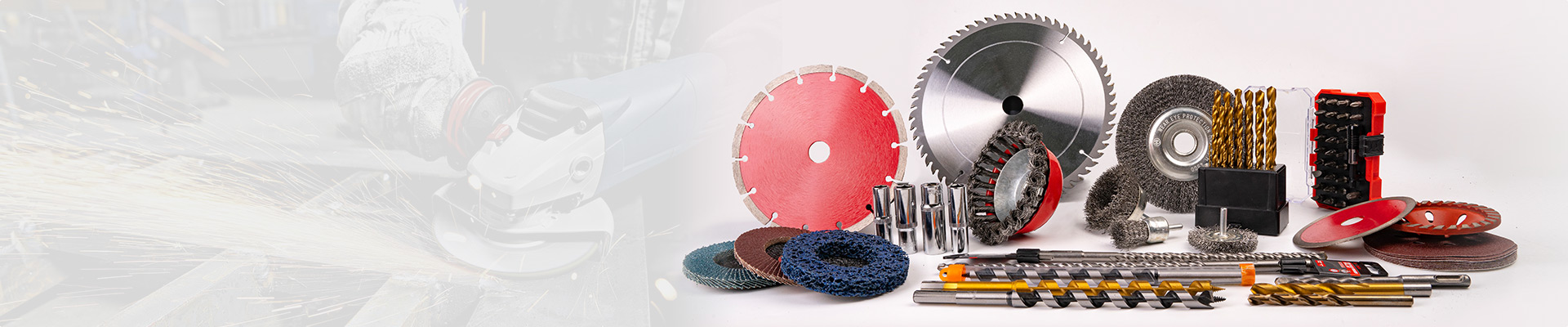
If you are wondering how to choose a reliable TCT saw blades bulk supplier, evaluate the supplier based on manufacturing capability, quality control systems, carbide material standards, production capacity, OEM support, certifications, and long-term supply stability—not price alone. For distributors, importers, and industrial buyers sourcing TCT saw blades wholesale, the most reliable partners are suppliers that combine consistent product quality with customization capability and proven export experience. A dependable industrial TCT saw blade manufacturer should help reduce procurement risk, ensure stable inventory, and support long-term business growth.
As global manufacturing, woodworking, and industrial processing industries continue expanding, demand for TCT saw blades bulk orders and carbide saw blade wholesale solutions is increasing. However, not all suppliers deliver the same standards. For B2B buyers, selecting the right supplier means assessing multiple critical indicators beyond cost.
Why Choosing the Right TCT Saw Blades Bulk Supplier Matters
For importers and distributors, supplier selection affects much more than product purchasing.
Poor sourcing decisions often lead to:
●Product inconsistency
●High return rates
●Customer complaints
●Delivery delays
●Inventory shortages
●Reduced profit margins
Choosing a qualified supplier helps businesses improve competitiveness while reducing operational risks.
Understand Your TCT Saw Blade Application Before Choosing Suppliers
One of the biggest mistakes buyers make is selecting suppliers before clearly defining product requirements.
Different applications require different blade designs.
Common purchasing categories include:
| Application | Recommended Blade Type |
|---|---|
| Furniture manufacturing | Panel sizing TCT blades |
| Solid wood processing | Wood cutting circular saw blades |
| Aluminum fabrication | Non-ferrous TCT blades |
| Steel processing | Cold cutting TCT blades |
| Building materials | Multi-purpose industrial blades |
A reliable supplier should understand:
●Tooth geometry
●Hook angle selection
●Carbide grades
●Cutting speed requirements
●Material compatibility
Technical consultation capability is often an overlooked evaluation standard.

Key Standards for Evaluating a Reliable TCT Saw Blades Bulk Supplier
Below are the most important supplier evaluation standards.
1. Manufacturing Capability Assessment
One of the first questions buyers should ask:
Is the supplier a real manufacturer or just a trading company?
A genuine TCT saw blade factory typically offers:
●In-house production workshops
●Automated grinding equipment
●Brazing production lines
●Quality testing facilities
●Engineering departments
●Stable monthly output
Ask suppliers:
●Factory size
●Monthly production volume
●Number of employees
●Main export markets
●Production equipment details
2. Evaluate Tungsten Carbide Material Quality
Material quality determines blade performance.
TCT means Tungsten Carbide Tipped, but carbide quality varies significantly between suppliers.
Premium carbide tips offer:
●Higher hardness
●Better wear resistance
●Longer lifespan
●More stable cutting performance
Lower-quality carbide may result in:
●Tooth breakage
●Edge chipping
●Reduced durability
●Frequent replacement cycles
Questions to ask:
●Which carbide grades are used?
●Are premium carbide materials available?
●What testing methods are applied?
Material transparency often indicates supplier reliability.
3. Examine Blade Manufacturing Precision
Even excellent materials cannot compensate for poor manufacturing.
High-performance industrial TCT saw blades require precise production.
Important factors include:
Blade Flatness
Poor flatness creates:
●Vibration
●Noise
●Cutting inaccuracy
Brazing Quality
Weak welding can cause tooth detachment during operation.
Dynamic Balance
High-speed industrial cutting requires balanced blades.
Grinding Accuracy
Precision tooth grinding directly affects:
●Cutting speed
●Surface finish
●Heat generation
Buyers sourcing precision TCT circular saw blades should prioritize production consistency.
4. Check Supplier Quality Control Systems
One of the strongest indicators of supplier reliability is process management.
Ask whether the supplier performs:
Incoming material inspection
Process quality monitoring
Finished product testing
Random sampling inspections
Batch traceability management
Professional TCT saw blade manufacturers usually maintain documented quality systems.
Request:
●Inspection reports
●Material certifications
●Product specifications
●Test records
Strong QC systems reduce sourcing risks.
5. Verify Industry Certifications and Export Standards
International buyers increasingly require standardized documentation.
Important certifications include:
●ISO quality management systems
●SGS reports
●CE documentation
●Material test reports
●Product inspection certifications
Certification alone does not guarantee quality, but lack of documentation may indicate weak management processes.
6. Evaluate OEM and Private Label Capabilities
A capable supplier should support:
Branding customization
●Laser logo marking
●Printed packaging
●Product labels
●User manuals
Product customization
●Diameter changes
●Bore sizes
●Tooth shape modification
●Coatings
●Special carbide selections
Private label capability allows distributors to build stronger brands.
7. Assess Production Capacity and Supply Stability
Many suppliers perform well during sample stages but struggle with large orders.
Ask:
●Monthly output?
●Peak season lead time?
●Emergency production support?
●Inventory systems?
●Export logistics experience?
Reliable factories maintain stable supply systems.
8. Sample Testing Is Essential Before Bulk Orders
Professional buyers rarely place large orders without testing.
Evaluate:
Cutting efficiency
Check:
●Cutting smoothness
●Feed speed
●Noise levels
●Durability
Measure:
●Wear resistance
●Tooth lifespan
●Heat tolerance
Machine compatibility
Verify:
●RPM matching
●Arbor size
●Equipment compatibility
Sample validation minimizes procurement mistakes.
Red Flags When Evaluating TCT Saw Blade Suppliers
Not all suppliers meet industrial standards.
Warning signs include:
Extremely low prices
Very low quotations may indicate:
●Inferior carbide
●Thin steel plates
●Weak brazing
Unclear technical information
Professional manufacturers provide:
●Drawings
●Product specifications
●Testing data
Slow communication
Poor communication often predicts future cooperation issues.
Limited customization capability
Strong manufacturers typically support OEM requests.
Why Global Buyers Source TCT Saw Blades from China
China remains one of the largest manufacturing centers for carbide saw blade wholesale suppliers because of:
●Mature industrial supply chains
●Cost-efficient production
●Advanced machinery
●Large-scale manufacturing
●OEM flexibility
However, sourcing success depends on supplier selection rather than geography alone.
Finding a reliable partner remains the key factor.
Build Supplier Partnerships Instead of Transactional Purchasing
Top distributors often avoid changing suppliers frequently.
Long-term partnerships create:
●Stable pricing
●Priority production
●Product development opportunities
●Better communication
●Stronger market support
A strategic supply relationship creates long-term value. Contact us to discuss your bulk TCT saw blade requirements and build a reliable long-term partnership.
FAQ
Q1:Is 32 TPI better than 24 TPI?
No. 32 TPI gives smoother cuts; 24 TPI cuts faster and suits thicker materials.
Q2:Is factory-direct sourcing better for wholesale TCT saw blades?
For large-volume buyers and distributors, factory-direct sourcing often provides better pricing and stronger customization support.
Q3:Why are TCT saw blades widely used in industrial applications?
Because they provide excellent wear resistance, cutting accuracy, and longer service life across woodworking, metal, and construction industries.
Q4:How to select saw blades?
Choose based on material, tooth count, blade size, and application.


