


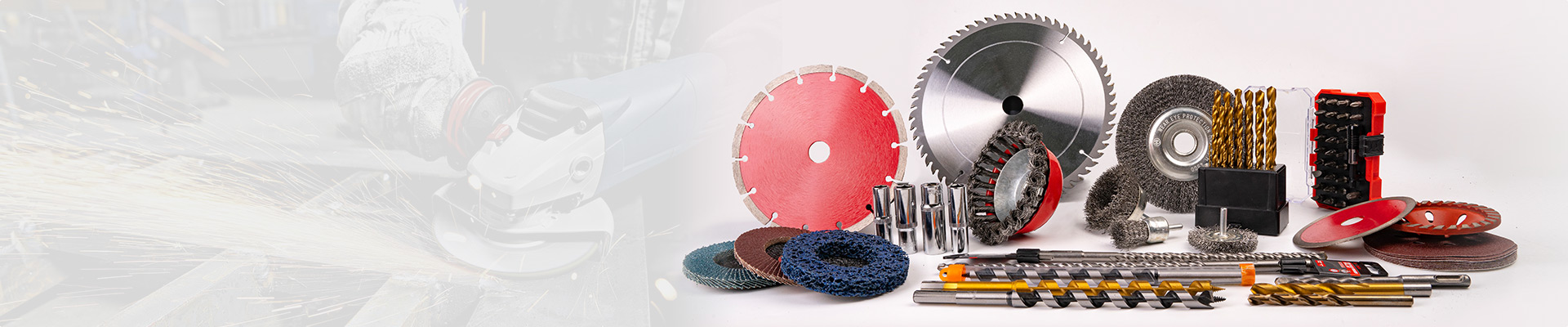
Why OEM Is Booming in 2026
In 2026, more distributors, importers, and online sellers are shifting from simple reselling to building their own brands. Increasing competition, price pressure, and the need for differentiation are pushing buyers to look beyond generic products.
OEM (Original Equipment Manufacturing) power tool accessories offer a practical path for businesses to create branded product lines without investing in their own production facilities. For many companies, this transition is no longer optional—it is a strategic move to improve margins and build long-term market presence.
●What Are OEM Power Tool Accessories?
OEM power tool accessories refer to products manufactured by one company and sold under another company’s brand.
In this context:
● OEM (Original Equipment Manufacturing): Standard products with customized branding (logo, packaging)
● ODM (Original Design Manufacturing): Products that can be modified or developed based on specific requirements
● Private Label: Finished products sold under your own brand name
For most importers and distributors, OEM is the most efficient starting point, offering a balance between customization and cost control.
Which Power Tool Accessories Are Best for OEM?
Not all products are equally suitable for private labeling. The best OEM categories typically share three characteristics: high demand, repeat purchase, and stable specifications.
Cutting and Grinding Accessories
Products such as cutting discs, grinding wheels, and diamond blades are among the most popular OEM choices. They offer:
● High consumption rates
● Consistent demand across industries
● Opportunities for product differentiation by quality level
Many professional buyers already working with cutting and grinding accessories expand their OEM range due to strong turnover and repeat orders.
Drill Bits and Hole-Making Tools
Drill bits are essential across construction, metalworking, and general maintenance. They are ideal for OEM because:
● They cover multiple applications (metal, wood, concrete)
● They are easy to standardize into sets
● They fit both DIY and professional markets
A structured drill bit assortment can quickly become a core product line for new brands.
Saw Blades and Cutting Tools
Circular saw blades and other precision cutting tools are more quality-sensitive but offer strong branding potential in professional markets.
Buyers targeting higher-end segments often use these products to position their brand as reliable and performance-focused.
Abrasives and Finishing Products
Abrasives are fast-moving products with consistent repeat demand. They are particularly suitable for:
● Industrial supply
● Hardware distribution
● Maintenance applications
These categories allow brand owners to build volume quickly.
MOQ, Pricing, and Cost Structure
Understanding cost structure is essential when starting OEM projects.
Typical considerations include:
● MOQ (Minimum Order Quantity): Varies by product category and packaging type
● Product cost vs packaging cost: Custom packaging can significantly impact total cost
● Volume advantage: Larger orders typically reduce unit pricing
For many buyers, starting with a focused product range and scaling gradually is more effective than launching too many SKUs at once.
Branding and Packaging Strategy
Branding is one of the main reasons companies choose OEM.
Common options include:
● Logo printing on products
● Color box packaging for retail markets
● Blister packaging for visibility
● Bulk packaging for wholesale distribution
Different markets have different preferences. For example:
● Retail-focused markets often require strong visual packaging
● Wholesale markets may prioritize cost efficiency and durability
● A clear packaging strategy helps define your brand positioning early on.
How to Choose the Right OEM Supplier
Selecting the right OEM partner is just as important as choosing the right products.
Buyers should evaluate:
● Production capability and quality control
● Experience in export markets
● Ability to handle multiple product categories
● Flexibility in customization and communication
Many importers prefer working with suppliers who can support
multiple accessory categories under one sourcing structure, simplifying operations and improving efficiency.
For a deeper understanding of supplier evaluation, you can also refer to our guide on how to choose reliable power tool accessory suppliers in 2026.
Common Mistakes to Avoid
New OEM buyers often encounter similar challenges. Avoiding these mistakes can save time and cost:
● Focusing only on the lowest price instead of long-term value
● Launching too many SKUs without testing the market
● Ignoring product quality consistency
● Skipping sample testing before bulk orders
● Choosing suppliers without stable production capability
A structured and phased approach leads to better results.
Building a Scalable Product Line
Successful OEM strategies are not built overnight. Instead, they evolve over time.
A typical approach includes:
1. Starting with high-demand categories (e.g., cutting or drilling)
2. Expanding into complementary products
3. Refining product quality based on market feedback
4. Strengthening brand identity through packaging and consistency
This gradual expansion helps reduce risk while building a strong market presence.
Turning OEM Into a Long-Term Advantage
OEM power tool accessories provide a powerful opportunity for importers, distributors, and brand owners to move beyond price competition and build sustainable businesses.
By selecting the right products, working with capable suppliers, and developing a clear branding strategy, companies can create differentiated product lines that generate repeat business and long-term value.
To better understand where the industry is heading, you may also explore our insights on power tool accessories market trends in 2026 and evolving product expectations across professional applications.


