


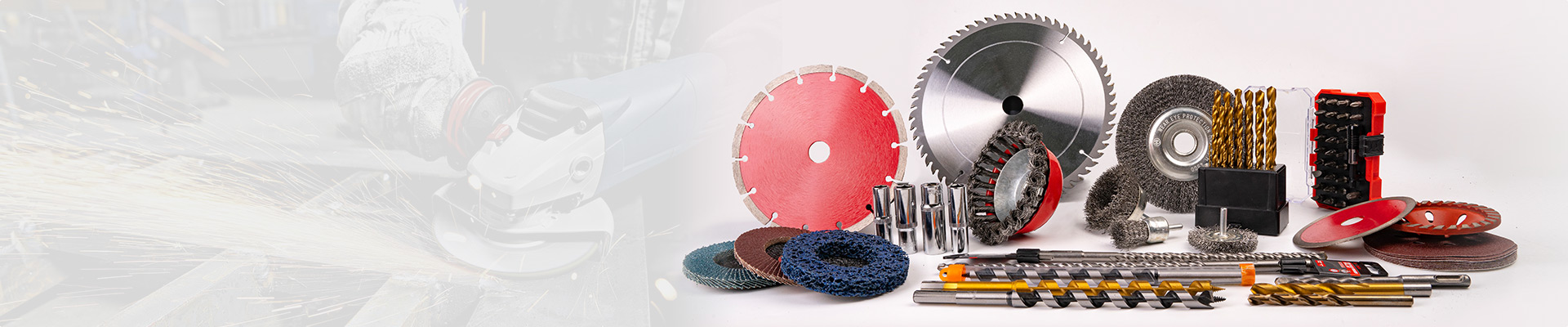
The best masonry drill bit is not necessarily the cheapest or the largest—it is the one that matches the drilling material, equipment type, hole requirements, and project conditions. For professional users drilling into concrete, brick, stone, or reinforced masonry, choosing the correct carbide tipped masonry drill bit, SDS Plus masonry drill bit, or SDS Max masonry drill bit can significantly improve drilling efficiency, extend tool life, and reduce overall operating costs.
As construction and infrastructure projects continue to grow worldwide, demand for high-performance masonry drill bits for concrete and other building materials remains strong. However, many buyers still struggle to understand the differences between drill bit types and how to select the most suitable solution for specific applications.This article provides a detailed overview of everything industrial buyers need to know before purchasing masonry drill bits in bulk.
What Is a Masonry Drill Bit?
A masonry drill bit is a specialized drilling accessory designed for hard construction materials such as concrete, brick, stone, cement block, and masonry walls. Unlike standard metal or wood drill bits, masonry drill bits feature a reinforced cutting tip, typically made from tungsten carbide, which enables them to withstand the impact forces generated by hammer drills and rotary hammers.
Because construction materials are significantly harder and more abrasive than wood or metal, ordinary drill bits wear quickly or fail entirely when used on masonry surfaces. A properly designed masonry drill bit provides the durability and cutting performance needed for demanding applications.
Today, masonry drill bits are widely used in commercial construction, infrastructure development, facility maintenance, electrical installations, HVAC systems, plumbing projects, and industrial renovations.

Why Choosing the Right Masonry Drill Bit Matters
Many buyers focus heavily on price when sourcing drill bits, but the true cost of a drill bit extends far beyond its purchase price.
Using the wrong masonry drill bit can lead to slower drilling speeds, excessive bit wear, poor hole quality, increased labor costs, and unnecessary equipment strain. These issues can quickly multiply across large-scale projects, particularly when hundreds or thousands of holes must be drilled.
Choosing the correct masonry drill bit helps improve:
● Drilling speed and productivity
● Hole accuracy
● Tool lifespan
● Operator efficiency
● Overall project profitability
Understanding the Different Types of Masonry Drill Bits
Not all masonry drill bits are designed for the same tasks. Selecting the appropriate type depends largely on the drilling equipment being used and the material being drilled.
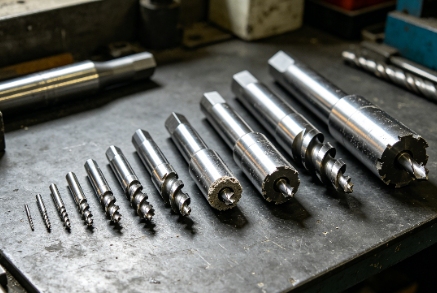
SDS Plus Masonry Drill Bits
Among the most popular options in the construction industry, SDS Plus masonry drill bits are commonly used for medium-duty drilling applications. They feature a specialized shank design that allows efficient transfer of impact energy from the rotary hammer to the drill bit.
SDS Plus bits are frequently used for:
● Concrete drilling
● Anchor installation
● Electrical conduit mounting
● Mechanical fastening systems
● General construction work
Because of their versatility and efficiency, SDS Plus bits are often the preferred choice for contractors performing daily drilling operations.
SDS Max Masonry Drill Bits
For larger diameter holes and heavy-duty applications, SDS Max masonry drill bits offer superior strength and impact resistance.
These drill bits are commonly selected for:
● Reinforced concrete drilling
● Infrastructure projects
● Bridge construction
● Heavy industrial applications
● Large anchor installations
Compared with SDS Plus models, SDS Max drill bits can withstand greater loads and are better suited for demanding environments where durability is critical.
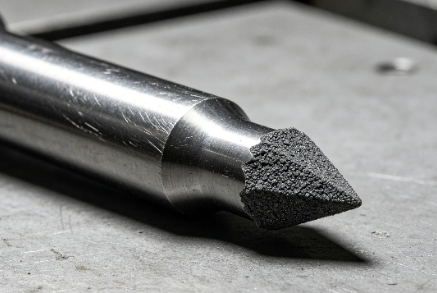
Straight Shank Masonry Drill Bits
Straight shank masonry drill bits are compatible with conventional hammer drills and impact drills. They are often used for lighter-duty construction tasks and general maintenance work.
Although they may not offer the same drilling speed as SDS systems, they remain a cost-effective solution for many applications.
How to Choose a Masonry Drill Bit Based on Material
One of the most important factors in any masonry drill bit selection guide is the material being drilled.
Different building materials vary significantly in hardness and density. Selecting the wrong drill bit can reduce drilling efficiency and shorten service life.
| Material | Recommended Drill Bit |
|---|---|
| Brick | Standard Carbide Tipped Masonry Bit |
| Concrete | SDS Plus Masonry Drill Bit |
| Reinforced Concrete | SDS Max Masonry Drill Bit |
| Natural Stone | Premium Carbide Masonry Bit |
| Cement Block | General-Purpose Masonry Drill Bit |
For example, drilling into standard clay brick requires less impact force than drilling reinforced concrete. While a basic carbide tipped masonry drill bit may perform well in brick, reinforced concrete applications generally require stronger SDS Max systems and higher-grade carbide tips.
Understanding the intended drilling material allows buyers to choose products that deliver the best balance of performance and cost.
How Drill Diameter Affects Performance
Another important consideration is drill bit diameter.
Many buyers focus only on material compatibility while overlooking hole size requirements. However, drill diameter directly affects drilling speed, power consumption, and bit durability.
Smaller masonry drill bits are commonly used for fastening systems, anchors, and mounting hardware. Larger diameters are often required for plumbing, HVAC installation, cable routing, and infrastructure projects.
As hole size increases, greater drilling forces are generated. This is why larger masonry drill bits often require SDS Max systems rather than standard hammer drills.
SDS Plus vs SDS Max: Which Is Better?
SDS Plus drill bits are ideal for medium-duty drilling and represent the most commonly used system in commercial construction. They offer excellent drilling speed, lower tool weight, and broad compatibility with rotary hammers.
SDS Max drill bits are designed for larger holes and tougher materials. They provide greater impact energy transfer, improved durability, and superior performance in reinforced concrete.
For industrial buyers, maintaining inventory of both systems is often the best strategy because customer requirements vary widely.
What Industrial Buyers Should Look for in a Masonry Drill Bit Supplier
Choosing the right supplier is just as important as choosing the right product.
Professional buyers should evaluate suppliers based on:
● Manufacturing capability
● Product consistency
● Quality control systems
● Export experience
● Production capacity
● Technical expertise
A reliable supplier can help distributors develop product lines tailored to local market demand while ensuring stable long-term supply.
For buyers seeking professional drilling accessories, Tool Accessory offers a complete range of masonry drilling solutions designed for construction and industrial applications.
Why Carbide Tipped Masonry Drill Bits Continue to Dominate the Market
As drilling requirements become more demanding, carbide tipped masonry drill bits remain the preferred solution for professional users.
Their ability to handle hard materials, maintain cutting efficiency, and deliver long service life makes them suitable for a wide variety of applications.
From residential construction projects to large-scale infrastructure developments, carbide tipped drill bits continue to provide the reliability that contractors and industrial users require.
With OEM customization capabilities, strict quality control, and reliable production capacity, we help global partners build competitive product portfolios and meet growing market demand.
Explore our full masonry drill bit range today and contact our team to discuss wholesale purchasing, OEM projects, and long-term supply cooperation.


