


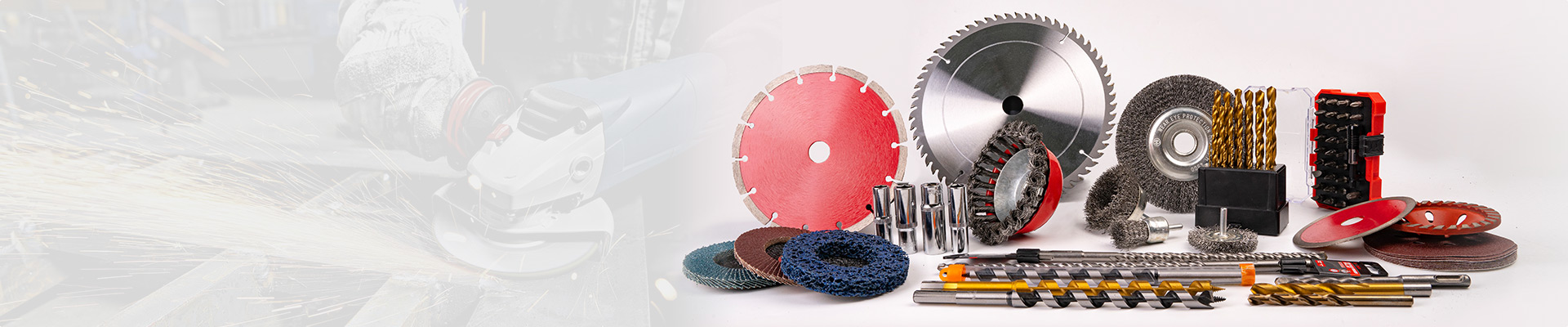
Choosing between HSS vs cobalt drill bits is not simply a matter of buying the harder or more expensive option. Standard high-speed steel (HSS) is a versatile and economical choice for many general metal-drilling jobs. Cobalt HSS is designed to retain cutting performance under greater heat and wear, which can make it a better candidate for stainless steel and repeated industrial drilling.
The right choice still depends on the workpiece, hole requirements, machine stability, cutting conditions, production volume, and total cost per acceptable hole.
Quick Answer: HSS or Cobalt?
Choose standard HSS drill bits when you need a practical, cost-conscious option for general fabrication, maintenance, mixed jobs, or materials that do not create severe heat and wear.
Consider cobalt HSS drill bits when the application involves stainless steel, other demanding metals, sustained cutting heat, or repeated production where fewer tool changes may justify a higher purchase price.
Neither answer is universal. A suitable drill material can still perform poorly when the cutting speed, feed, lubrication, chip evacuation, workholding, or point geometry is wrong.
| Decision factor | Standard HSS | Cobalt HSS |
|---|---|---|
| Typical role | General-purpose metal drilling | More heat- and wear-demanding metal drilling |
| Main buying advantage | Lower initial cost and broad utility | Better resistance to heat and wear |
| Common application starting point | General steel fabrication and maintenance | Stainless steel and repeated industrial work |
| Main limitation | May lose useful cutting performance sooner in high-heat work | Higher purchase cost does not guarantee better results without the right setup |
| Buyer verification | HSS grade, geometry, dimensions, coating, application | Cobalt alloy designation, geometry, dimensions, application, batch documentation |
What Are HSS Drill Bits?
HSS stands for high-speed steel,a family of tool steels used for cutting tools such as twist drills. In industrial purchasing, “HSS” alone is not a complete specification. Two bits sold under the same broad label may differ in steel grade, manufacturing method, heat treatment, point design, flute geometry, surface finish, coating, dimensional tolerance, and quality control.
For many buyers comparing HSS vs cobalt drill bits for metal, standard HSS is the logical baseline. It can cover a wide range of routine workshop and maintenance tasks while keeping the initial tool cost under control. That makes it useful when drilling demand is intermittent, workpiece materials vary, or a buyer needs a broad assortment rather than a specialized production tool.
However, the lowest unit price is not always the lowest operating cost. If a standard HSS bit wears quickly in a hot or abrasive application, tool changes, rejected holes, operator time, and downtime can outweigh the original saving.
What Are Cobalt Drill Bits?
A cobalt drill bit is generally not a drill with a cobalt-colored coating. It is an HSS-family cutting tool in which cobalt is part of the alloy. Because the cobalt is distributed through the tool material rather than applied only to the surface, normal resharpening does not remove it in the way sharpening can remove a surface coating.
For procurement teams comparing cobalt vs HSS drill bits, this alloy-versus-coating distinction is one of the first details to verify with a supplier.

Cobalt vs HSS Drill Bits: The Differences That Matter
Heat and Wear Resistance
Cobalt HSS is selected primarily for improved resistance to cutting heat and wear. This matters when the cutting edge stays engaged for longer periods or when the workpiece is difficult to machine. Standard HSS can still be appropriate if heat generation is controlled and the job does not justify a more specialized tool.
Toughness and Setup Stability
Material grade is only one part of drill performance. Handheld drilling, interrupted cuts, poor alignment, runout, and unstable workholding can place very different loads on a bit than a controlled drill press or production setup. Buyers should therefore evaluate the bit together with the actual machine and operating process rather than treating alloy grade as the only selection factor.
Initial Price vs Cost per Hole
An HSS drill bit vs cobalt drill bit cost comparison should include more than the quoted unit price. A useful purchasing model is:
Cost per acceptable hole = tooling cost + changeover labor + downtime + rework or scrap + inventory and handling cost, divided by accepted holes.
This calculation does not require a universal tool-life claim. Run the same controlled sample test for each candidate and record the results under your own material, machine, coolant, speed, feed, and hole-quality requirements.
Resharpening and Tool Control
Both material families may be supplied in geometries that can be resharpened, but the practical result depends on drill diameter, point geometry, edge condition, available grinding equipment, and operator control. Before building resharpening into a cost model, confirm the manufacturer’s recommendation and define how the restored geometry will be inspected.
Which Drill Bit Is Better for Different Metal-Drilling Jobs?
General Steel Fabrication and Maintenance
For routine holes in common steels, mixed maintenance work, and lower-volume jobs, standard HSS is often the most practical starting point. Its lower acquisition cost can be valuable when users need many sizes or when individual tools are not exposed to continuous high heat.
Do not stop at the material label. Confirm the required diameter, working length, overall length, shank, point design, and any coating or finish. A correctly specified HSS bit can be a better purchase than an unsuitable cobalt bit.
Stainless Steel
Buyers frequently search for cobalt drill bits for stainless steel because stainless drilling can generate significant heat and some grades can work-harden when the tool rubs instead of cutting.
That does not mean every cobalt bit is suitable for every stainless grade, hole depth, or machine. Ask for the supported workpiece range, then validate the proposed bit through sampling. Use the supplier’s cutting recommendations and maintain stable feed, controlled speed, suitable lubrication, rigid workholding, and effective chip removal.
Aluminum and Other Non-Ferrous Metals
For aluminum and similar materials, alloy choice should be considered alongside edge sharpness, flute design, surface finish, chip evacuation, and the risk of material loading on the cutting edge. Cobalt is not automatically the best purchase simply because it has higher heat resistance. Provide the exact alloy and hole conditions to the supplier rather than requesting “the strongest drill bit.”
Hand Drills, Drill Presses, and Production Equipment
A hand drill introduces more variation in alignment, pressure, and stability. A drill press or controlled production machine can provide more consistent workholding and parameters. Therefore, the best drill bits for industrial metal drilling are the ones matched to both the workpiece and the equipment.
For every evaluation, record:
●machine type, power, spindle condition, and toolholding;
●workpiece material and hardness, if known;
●through-hole or blind-hole requirement;
●diameter, depth, tolerance, and finish expectation;
●cutting speed, feed method, coolant or lubricant;
●target batch size and acceptable tool-change frequency.
Why Good Drill Bits Still Burn, Dull, or Break
Premature failure is not always evidence of the wrong steel grade. Common process-related causes include excessive heat, an unsuitable speed-feed combination, insufficient lubrication, poor chip evacuation, runout, unstable workholding, side loading, or allowing the cutting edge to rub. In stainless steel, rubbing can aggravate work hardening and make the next part of the cut more difficult.
Avoid publishing or applying one fixed RPM to every job. The correct cutting data depends on the drill diameter, tool specification, workpiece, machine, coolant, and required result. Start with the tool manufacturer’s data and adjust only through a controlled process.
Industrial Buying Checklist for HSS and Cobalt Drill Bits
An industrial buyer or importer should send a structured RFQ instead of asking only for a price on “HSS bits” or “cobalt bits.” Include the following information.
1. Define the Application
●workpiece material, grade, hardness, and coating or scale;
●hole diameter, depth, tolerance, and finish;
●through hole or blind hole;
●machine type and toolholder;
●coolant or dry-cutting conditions;
●expected order volume and usage pattern.
2. Define the Drill Specification
●HSS or confirmed cobalt HSS designation;
●diameter range and size increments;
●flute length, overall length, and shank type;
●point geometry and any split-point requirement;
●surface finish or coating;
●individual bits, sets, or custom assortment.
3. Request Evidence
Ask the supplier what documentation can support the material description and dimensional requirements. Depending on the order and agreement, this may include a material declaration, inspection record, batch identification, dimensional report, or an agreed sample-testing method. Do not substitute a gold-colored surface for alloy verification.
4. Test Samples Under Repeatable Conditions
Use the same workpiece batch, machine, holder, lubrication, operator procedure, speed, feed, and acceptance criteria for all samples. Record hole quality, edge condition, tool changes, breakage, cycle disruption, and accepted holes. This produces evidence for a cost-per-hole comparison without relying on an unverified marketing multiple.
5. Confirm Production and Packaging Details
Before a bulk order, approve the final specification, sample, inspection method, labeling, assortment layout, packaging, artwork, and traceability requirements. A high-performing bit can still create returns if sizes are mixed, labels are unclear, or retail and distributor packaging does not match the approved order.
Final Recommendation
In the HSS vs cobalt drill bits decision, standard HSS is usually the better starting point for versatile, cost-sensitive general drilling. Cobalt HSS is the stronger candidate when heat, wear, stainless steel, or repeated production makes tool changes and downtime more important than initial price.
The most reliable buying decision is not based on material name alone. Define the application, verify the exact drill specification, test samples under controlled conditions, and compare cost per acceptable hole. For bulk, OEM, or private-label requirements, send your drilling and packaging specifications to TOOL ACCESSORY for a product-level review before ordering.
A controlled sample test is ultimately the safest way to choose HSS vs cobalt drill bits for metal under your own production conditions.
FAQ
Q1:What are the disadvantages of cobalt drill bits?
Cobalt drill bits usually cost more than standard HSS bits and may be less forgiving of side loading, poor alignment, or unstable handheld use. Their added heat resistance may also provide little economic benefit in light-duty or softer-material applications.
Q2:Are cobalt drills better than HSS?
Not always. Cobalt HSS is generally better for high-heat, wear-intensive work such as repeated drilling in stainless steel, while standard HSS is often more economical for general-purpose drilling.
Q3:When should you use an HSS drill bit?
Use an HSS drill bit for routine drilling in mild steel, aluminum, and other general workshop materials, especially when production volume and cutting heat are moderate and initial cost matters.
Q4:Will cobalt bits drill through hardened steel?
Sometimes, but not all hardened steel can be drilled effectively with cobalt HSS. Check the workpiece hardness and the bit manufacturer’s application range; very hard materials may require carbide tooling or another machining method.


