


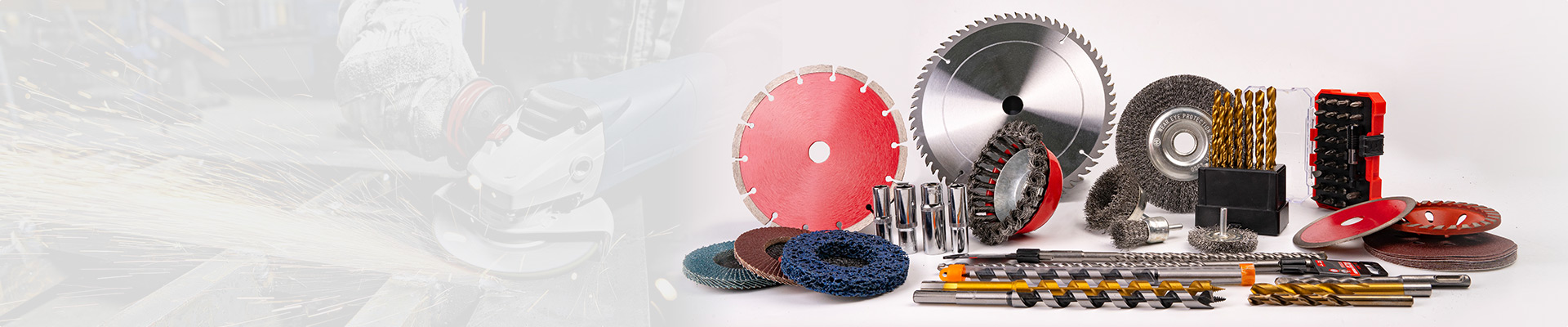
Choose a power tool wire brush by matching the workpiece shape, the material you need to remove, and the tool that will drive it. Start with a cup brush for open surfaces and a wheel brush for edges or narrow weld seams. Trial crimped wire for light rust and knotted wire for stubborn deposits. Before placing a bulk order, verify the mounting interface, brush diameter, and maximum rated speed for each SKU on the actual tool.

Match the brush to the job
Rust removal on steel
A crimped cup wire brush is a practical starting point for light rust on broad, open carbon steel surfaces. The cup layout covers a wider area than the edge of a narrow wheel, and crimped wire flexes as it contacts the workpiece. Where rust is concentrated in corners, along edges, or beside a flange, try a wheel brush and check whether its width and the tool guard allow access.
For thicker, firmly attached rust, compare a knotted brush with the crimped sample. Record how long each takes to reach the agreed finish. Inspect the base metal for scratch marks and uneven cleaning. Those findings help a buyer decide whether to stock both constructions or keep the more aggressive brush as a separate SKU for shops that regularly handle heavy deposits.
Old paint and coating removal
Use a representative coated panel for sample approval. On thin stock or visible surfaces, begin with a less aggressive brush and inspect a small area. For a part that will be repainted, ask the customer how they evaluate coating removal and surface condition before selecting a brush. Where a legacy coating is unidentified, confirm the site's material handling and dust control requirements before testing.
Weld seams and narrow edges
A wheel brush can follow a narrow weld line, while a cup brush can cover a wider area next to the seam. A knotted wheel is worth evaluating where residue remains firmly attached. Verify clearance with the tool guard in place. For stainless steel work, confirm the brush wire material and dedicate the brush to stainless steel service to avoid contamination from previous work on carbon steel.

Check compatibility before ordering
Request a specification for every SKU. Include outside diameter, brush face or wheel width where relevant, wire material and construction, mounting interface, and maximum rated speed. For threaded cup brushes, confirm the exact thread used in the destination market. For shank-mounted brushes, verify shank diameter and the tool's approved mounting method. Follow the brush and tool manufacturers' instructions when checking fit, guarding, and speed.
Use the wire brush range to shortlist samples. For a standalone cup brush, review the TG5001 cup wire brush, which is listed with copper-plated steel wire and customizable packaging. For a multi-piece offering, find the TG5006 six-piece set in the sanding and polishing range and confirm the mounting type and intended use of each piece.
Approve samples and packaging together
Test candidate brushes on the same material with the same approved tool and acceptance criteria. Record time to the required finish, surface condition, and any unusual vibration or wire loss. Keep the approved sample, SKU specification, and packaging proof together so the next shipment can be checked against the same reference.
For private-label or mixed-SKU orders, specify quantities by SKU, barcodes, packaging language, and carton requirements. Ask for sample timing, minimum order quantities for standard and customized packs, and expected lead times for reorders. Send the tool model, target application, candidate specifications, and estimated volume to the Tool Accessory sales team so the quotation can be compared line by line.
Frequently asked questions
What is the difference between a cup brush and a wire wheel?
A cup brush presents a wider contact area for open surfaces. A wire wheel typically has a narrower working edge that can reach seams and edges. Check the available clearance on the intended tool and workpiece.
Should I buy crimped or knotted wire brushes for rust removal?
Trial crimped wire for light rust and contoured surfaces. Trial knotted wire for firmly attached rust. Compare both the time needed and the final surface condition on an actual customer part.
Are brushes with the same diameter interchangeable?
Check the exact thread or shank, the tool manufacturer's accessory requirements, guard clearance, and the brush's maximum rated speed. Two brushes with the same diameter can have different mounting interfaces and speed limits.
Is the wire in TG5001 solid copper?
The product page specifies copper-plated steel wire. If a customer needs a dedicated brush for stainless steel, verify the required wire material before approving a sample or adding the brush to the order.


