


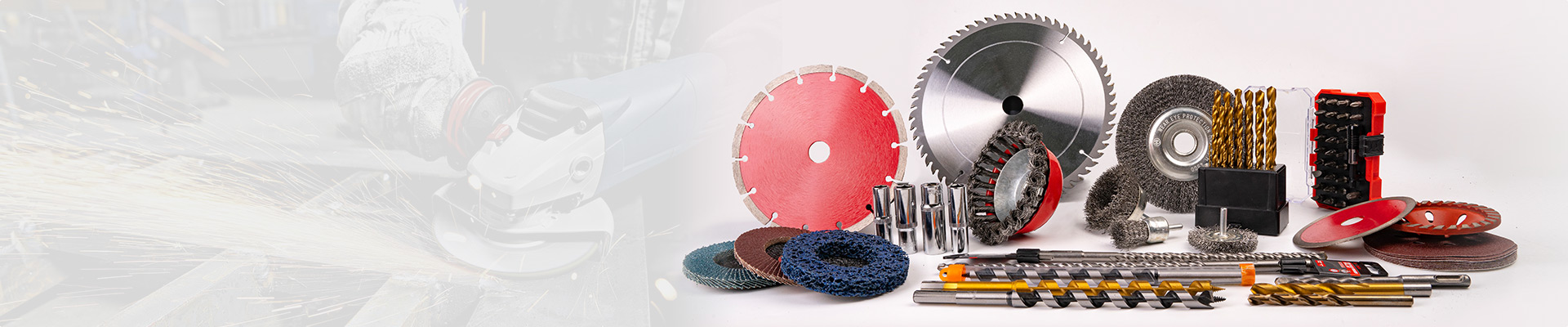
When I choose a TCT saw blade for wood, I match five factors: cut direction, material type, workpiece thickness, required finish and machine compatibility. For ripping solid lumber, I normally start with 18–30 teeth; for general-purpose work, 40–60 teeth; and for fine crosscutting or veneered panels, 60–100 teeth. Tooth geometry and kerf then determine chip removal, cutting resistance, surface quality and material waste.
A TCT saw blade for wood uses tungsten carbide-tipped teeth brazed or attached to a steel blade body. The carbide maintains a cutting edge longer than ordinary steel, especially when cutting hardwood, plywood, MDF and laminated panels. In this guide, I explain how to choose the correct blade by combining tooth count, tooth geometry, rake angle, kerf, diameter, arbor size, RPM and machine type.
How to Choose a TCT Saw Blade for Wood
I begin by identifying the actual cutting task rather than selecting a blade from tooth count alone. A blade used for fast ripping on a table saw has different requirements from one used for crosscutting hardwood on a miter saw or trimming plywood with a handheld circular saw.
Use this decision sequence:
Identify the material: softwood, hardwood, plywood, MDF, laminate or aluminum-containing composite.
Measure the material thickness: tooth engagement changes when the workpiece becomes thicker or thinner.
Define the cut direction: ripping follows the grain; crosscutting passes across the grain.
Set the finish target: rough construction cuts need speed, while furniture panels need low tear-out.
Confirm the machine: check blade diameter, arbor size, maximum RPM, guard clearance and power.
Select kerf width: thin kerf reduces power demand and waste, while full kerf offers greater stability.
A suitable blade balances cutting speed, chip clearance, heat generation and surface finish. More teeth usually produce a cleaner cut, but they also create smaller gullets and may cut more slowly if the feed rate is too high.
What Tooth Count Is Best for Cutting Wood?
The correct saw blade tooth count for ripping and crosscutting depends on blade diameter, material thickness and the number of teeth engaged in the workpiece. I avoid judging tooth count as an isolated number because a 40-tooth blade on a 165 mm circular saw behaves differently from a 40-tooth blade on a 300 mm table saw.
| Cutting task | Typical tooth count | Main benefit | Common limitation |
|---|---|---|---|
| Fast ripping of softwood | 18–24 teeth | Large gullets and rapid chip removal | Rougher surface |
| Ripping hardwood | 24–40 teeth | Balanced feed rate and finish | More resistance than a coarse blade |
| General-purpose woodworking | 40–60 teeth | Suitable for mixed cuts | Neither fastest nor cleanest |
| Crosscutting solid wood | 60–80 teeth | Reduced splintering across grain | Slower chip clearance |
| Plywood and veneered panels | 60–100 teeth | Cleaner face-side finish | Can generate heat if fed slowly |
| MDF and laminate | 60–96 teeth, often TCG | Resists abrasive panel wear | Requires correct feed and dust extraction |
For ripping, I want enough teeth in the cut to maintain control, but not so many that the gullets fill with chips. A practical target is usually 2–4 teeth engaged in the material during the cut. If only one tooth is engaged, the blade can produce a rough surface and aggressive vibration; if too many teeth are engaged, the blade may rub, heat up and overload the motor.
Material thickness changes the choice. A fine-tooth blade that performs well on a 12 mm plywood sheet may struggle in a 50 mm hardwood board because its gullets cannot clear the larger volume of chips. Conversely, a coarse 18-tooth blade can cut thick lumber efficiently but may leave unacceptable tear-out on a veneered cabinet panel.
Is More Teeth Always Better on a TCT Saw Blade?
More teeth are not always better. A higher tooth count normally improves surface finish, but it reduces gullet size and increases the number of cutting edges contacting the material. This can increase feed resistance, heat and resin buildup when the machine is underpowered or the operator feeds too slowly.
I use high-tooth-count blades when the finish is more important than cutting speed. For construction framing, thick boards or long rip cuts, I generally choose a lower tooth count with larger gullets. For cabinet panels, trim and crosscuts where the cut edge will remain visible, I move toward a higher tooth count.
Tooth Geometry for Wood Saw Blades
The saw blade tooth geometry for wood controls how each carbide tip enters the material, removes the chip and exits the cut. The most common profiles for woodworking are FTG, ATB, TCG and combination designs.
Flat Top Grind: FTG
A flat top grind uses a straight cutting edge across the tooth. I select FTG blades for ripping lumber, especially when the priority is feed speed and chip clearance rather than a polished edge.
FTG teeth work well on table saws and industrial ripping machines because the flat edge removes material evenly along the grain. They are less suitable for fine crosscutting because the flat tooth can produce more visible tear-out across the grain.
Alternate Top Bevel: ATB
ATB teeth alternate their bevel direction from one tooth to the next. This slicing action cuts wood fibers rather than striking them with a flat edge, which usually improves crosscut quality and reduces splintering.
I use ATB geometry for crosscutting hardwood, trimming plywood, cutting veneered panels and general-purpose woodworking. A steeper bevel can improve the finish on delicate materials, but excessive beveling may reduce tooth strength during aggressive ripping.
Triple-Chip Grind: TCG
TCG alternates between a chamfered tooth and a flat-top tooth. The chamfered tooth removes the corners of the cut, while the flat tooth completes the cut and helps resist edge wear.
I prefer TCG blades for MDF, laminate, melamine and abrasive engineered panels. These materials can wear or chip ordinary ATB teeth quickly, while TCG distributes the cutting action across two tooth forms. TCG is also useful when both surface quality and carbide durability matter.
Combination Tooth Design
Combination blades commonly use groups of ripping and crosscutting teeth, such as four ATB teeth followed by one flat or raker tooth. I choose this design when one blade must handle mixed workshop tasks without frequent changes.
A combination blade is practical for DIY woodworkers and small shops cutting both along and across the grain. It does not normally match a dedicated ripping blade for speed or a dedicated crosscut blade for the cleanest finish, but it reduces tool changes.
Rake Angle and Tooth Engagement
Rake angle describes how far the tooth leans forward or backward relative to a radial line from the blade center. A positive rake angle helps the tooth enter aggressively and pull chips from the cut, while a low or negative rake angle reduces grabbing.
For table saw ripping, a moderate positive rake can provide efficient feeding in solid wood. For miter saws and sliding compound saws, I prefer a lower or negative rake when the workpiece needs controlled entry and reduced self-feeding. The correct angle also depends on the machine guard, cutting direction and manufacturer specifications.
Tooth engagement depends on more than the number stamped on the blade. A larger diameter blade covers a longer cutting arc, while a thick workpiece places more teeth inside the cut. If the feed rate is too low for the tooth count, each tooth may rub instead of producing a properly formed chip, leading to heat, burning and premature dulling.
Should I Choose a Thin Kerf or Full Kerf TCT Saw Blade?
A thin kerf saw blade for woodworking removes less material per cut, usually reducing motor load, dust volume and wood waste. I consider thin kerf blades for handheld circular saws, compact table saws, battery-powered machines and lower-powered routers or saw systems.
Typical thin kerf widths are approximately 1.6–2.2 mm, while many full kerf woodworking blades measure about 2.4–3.2 mm. The exact measurement varies by manufacturer and blade diameter. A thinner kerf can improve battery runtime and reduce the power required to maintain cutting speed.
Full kerf blades generally provide a wider steel body and greater lateral stability. I use them on powerful table saws, panel saws and industrial machines where rigidity, long straight cuts and repeated production are important. Full kerf also leaves more room for tooth geometry and larger carbide tips, although it creates more waste per cut.
| Blade type | Typical kerf | Best suited to | Main tradeoff |
|---|---|---|---|
| Thin kerf | 1.6–2.2 mm | Battery circular saws and compact table saws | May deflect if pushed aggressively |
| Standard kerf | 2.2–2.8 mm | General table and miter saws | Balanced power and stability |
| Full kerf | 2.4–3.2 mm | High-power table and panel saws | Higher waste and motor load |
I never install a thin kerf blade without checking the riving knife or splitter. If the riving knife is thicker than the blade body or does not suit the kerf, the machine may bind during the cut. I also check that the blade’s maximum RPM is equal to or greater than the machine’s unloaded spindle speed.
Match the Blade to the Material
For softwood, I normally use 18–30 teeth for fast ripping and 40–60 teeth for general cuts. Softwood produces relatively large chips, so generous gullets are important during long cuts.
For hardwood, I move toward 24–40 teeth for ripping and 60–80 teeth for clean crosscuts. Dense species create more cutting resistance, so I avoid using an extremely fine blade unless the machine has enough power and the feed rate remains steady.
For plywood and veneered panels, I usually choose 60–100 teeth with ATB or a fine combination profile. A higher tooth count limits veneer breakout, but I keep the blade sharp and support the panel fully on both sides of the cut.
For MDF, TCG geometry is often the safer choice because MDF contains abrasive fibers and resin. I use adequate dust extraction, avoid forcing the feed and inspect the carbide tips regularly for rounded or chipped edges.
For laminate and melamine, TCG or a high-count ATB blade can produce cleaner edges. I score or support the finished face when possible, and I select a blade specifically rated for laminated panels rather than assuming a standard wood blade will provide the same result.
A TCT blade can cut some aluminum, but I do not treat a general wood blade as automatically suitable. Aluminum cutting requires the correct tooth geometry, rake angle, lubrication approach, tooth count and machine guard arrangement. I use only a blade explicitly rated by its manufacturer for non-ferrous metal and compatible with the machine.
Blade Diameter, Arbor, RPM and Machine Compatibility
Before buying any blade, I check four dimensions: diameter, arbor size, kerf and maximum RPM. The arbor hole must match the saw spindle directly or use an approved reducing ring. I do not rely on improvised washers or adapters because poor centering can cause vibration and uneven cutting.
The machine also changes the best blade choice:
Handheld circular saw: thin kerf, moderate tooth count and low power demand are usually practical.
Table saw: choose between ripping, crosscutting or combination geometry based on the work schedule.
Miter saw: use a higher tooth count and lower or negative rake for controlled crosscuts.
Panel saw: select a blade system matched to the scoring blade, material type and production feed.
Industrial machine: prioritize diameter, body stability, carbide grade, RPM and sharpening support.
Power Tool Accessorie supplies cutting accessories for DIY and industrial applications, with TCT saw blades included in its cutting product range. For wholesalers, importers and tool brands, the company also presents OEM, logo and packaging customization, along with ISO 9001-related quality systems and more than 10 years of manufacturing experience. I would still request the exact blade drawing, tooth profile, kerf, arbor, RPM rating and material application before placing a production order.
Troubleshooting Blade Selection and Cutting Problems
| Symptom | Likely blade cause | Other possible cause | Corrective action |
|---|---|---|---|
| Burn marks on wood | Too many teeth or closed gullets | Slow feed, dull blade or misalignment | Use fewer teeth, sharpen blade and increase steady feed |
| Rough ripping surface | Tooth count too low for finish target | Poor support or excessive vibration | Choose a finer combination or ripping blade |
| Veneer tear-out | Incorrect geometry or insufficient teeth | Unsupported panel face | Use fine ATB or TCG and support the panel |
| Blade binds in cut | Kerf incompatible with riving knife | Pinched material or poor alignment | Match kerf and splitter, then check fence alignment |
| Excessive vibration | Incorrect arbor or damaged blade body | Loose flange or worn spindle | Stop the machine and verify arbor, flange and blade condition |
| Slow cutting | Tooth count too high for thickness | Dull carbide or insufficient machine power | Use a lower count or sharpen the blade |
| Chipped carbide | Wrong material application or impact | Hidden nail, screw or foreign object | Inspect the workpiece and use a blade rated for the material |
Managing Cost per Cut
I compare blades by total cost per cut, not only by purchase price. A lower-priced blade can cost more if it produces excessive waste, requires frequent replacement or causes repeated sanding and rework.
For a woodworking shop, I track blade price, number of cuts, sharpening intervals, material lost to kerf, downtime and rejected parts. For example, reducing kerf by 0.6 mm across 1,000 cuts saves approximately 600 mm of material length in the cut path, although the actual financial result depends on board width, panel price and the number of cuts made.
Sharpening also affects the calculation. A blade that can be professionally sharpened several times may have a lower long-term cost than a disposable blade, provided the carbide tips and steel body remain serviceable. I replace a blade when repeated sharpening no longer restores cut quality, when the body is damaged or when carbide loss makes repair uneconomical.
Best Practices for Cutting Wood with a TCT Blade
I inspect the blade before installation and remove resin buildup before it affects tooth shape. I confirm the arbor fit, tighten the flange correctly and verify that the guard moves freely. I also keep the workpiece supported so the cut does not close onto the blade.
During cutting, I maintain a steady feed rather than alternating between forceful pushing and hesitation. I avoid twisting a handheld saw in the kerf, and I allow the blade to reach full operating speed before entering the wood. If the motor slows sharply, I stop forcing the cut and reassess tooth count, kerf, blade sharpness and material support.
For storage, I protect carbide tips from contact with other blades or metal tools. I label blades by material and cutting direction, such as “24T hardwood rip,” “80T plywood crosscut” or “96T laminate TCG.” This simple system reduces incorrect blade changes and makes production troubleshooting more consistent.
Conclusion
To understand How to Choose a TCT Saw Blade for Wood: Tooth Count, Tooth Geometry and Kerf, I first match the blade to the material, thickness, cut direction and machine. Low tooth counts with large gullets suit fast ripping, medium counts handle general woodworking, and high counts improve crosscut and panel finish. ATB is a practical choice for clean wood cuts, FTG supports efficient ripping, and TCG is useful for MDF, laminate and other abrasive panels.
I then verify kerf, diameter, arbor size and RPM before installation. Thin kerf blades reduce power demand and material waste, while full kerf blades provide greater stability on powerful machines. Finally, I evaluate total cost per cut by tracking sharpening, downtime, replacement frequency and waste rather than comparing purchase prices alone.


