


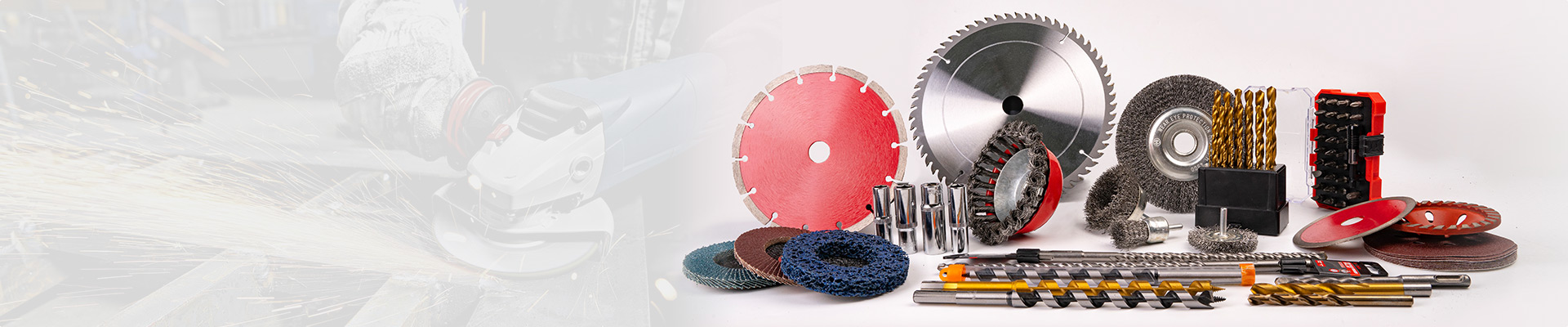
For light grinding and surface preparation, aluminum oxide flap discs usually provide the lowest upfront cost. Zirconia alumina suits general fabrication, weld removal, and heavier steel grinding, while ceramic flap discs are designed for high-pressure work, stainless steel, heat-sensitive alloys, and production use. The best choice depends on material, applied pressure, grit, disc shape, required finish, machine speed, and cost per finished part.
Key Takeaways
Aluminum oxide flap discs suit light-duty grinding, deburring, rust removal, and occasional metalworking.
Zirconia flap discs balance cutting speed, service life, price, and versatility for general fabrication.
Ceramic flap discs cut fastest under sufficient pressure but may glaze during low-pressure or intermittent grinding.
Type 27 discs favor controlled finishing, while Type 29 discs increase contact for aggressive stock removal.
Cost per part depends on disc life and labor time, not only the purchase price.
Material compatibility, grit, backing, bond, contamination control, and grinder limits affect the final result.
How I Compare Flap Disc Abrasives
When I compare aluminum oxide vs zirconia vs ceramic flap discs, I separate abrasive grain from the rest of the disc. The grain determines much of the cutting behavior, but the backing material, flap density, bond, disc angle, grit, and grinder compatibility also affect the result. A ceramic disc on an underpowered grinder can perform worse than a zirconia disc because the abrasive does not receive enough pressure to fracture and expose fresh cutting points.
I also compare cost per usable operation rather than price per disc. For example, a $4 aluminum oxide disc that completes 15 weld-blending jobs may cost more per job than a $9 zirconia disc completing 40 jobs. Operator time, disc changes, heat control, and surface rework should be included when evaluating the best flap disc abrasive for metalworking.
Main Selection Criteria
Material compatibility: Mild steel, stainless steel, titanium, and aluminum respond differently to heat, pressure, loading, and contamination.
Stock removal requirement: Heavy weld removal requires a different grain and disc shape than final blending or deburring.
Pressure and grinder power: Ceramic grains generally require firm, consistent pressure to maintain cutting action.
Finish requirement: Coarse grits remove material quickly, while finer grits reduce visible scratch depth and blending marks.
Total operating cost: Disc price, service life, changeover time, labor, and rejected or overheated parts determine cost per finished component.
Aluminum Oxide vs Zirconia vs Ceramic Flap Discs: Key Differences
The table below provides a practical starting point. The service-life and cost figures are planning ranges based on common 4.5-inch to 5-inch flap disc use; actual results vary with grit, steel thickness, grinder power, operator pressure, and weld profile.
| Abrasive grain | Best use | Relative cut speed | Typical service life | Heat behavior | Pressure requirement | Typical disc price |
|---|---|---|---|---|---|---|
| Aluminum oxide | Deburring, rust removal, light steel grinding | 1.0× baseline | 15–30 short operations | Moderate to high heat | Low to moderate | $3–$6 |
| Zirconia alumina | Weld removal, carbon steel, general fabrication | 1.3–1.7× baseline | 25–50 short operations | Moderate heat | Moderate to high | $5–$10 |
| Ceramic alumina | Production grinding, stainless steel, heavy stock removal | 1.6–2.2× baseline | 35–70 short operations | Lower heat when used correctly | High and consistent | $8–$16 |
These ranges explain the main difference between aluminum oxide, zirconia, and ceramic abrasives. Aluminum oxide fractures relatively quickly and is economical for low-volume work, while zirconia alumina provides a stronger balance between cut rate and durability. Ceramic alumina can deliver the fastest removal rate and longest life, but only when the grinder, operator, and application provide enough pressure.
What Are Aluminum Oxide Flap Discs?
Aluminum oxide flap discs use conventional aluminum oxide grain bonded to overlapping abrasive flaps. I generally use them for light-duty grinding, deburring, paint or rust removal, edge preparation, and surface cleanup on mild steel. They are also suitable when the work is intermittent and the lower purchase price matters more than maximum disc life.
Their main limitation is faster grain wear during heavy weld removal. As the abrasive becomes dull, the operator may apply more pressure, which can increase heat generation and surface smearing. For occasional DIY metalworking or a small workshop processing fewer than 20 to 30 parts per week, aluminum oxide can be a sensible choice when the workload does not justify premium ceramic grain.
What Are Zirconia Flap Discs?
Zirconia flap discs use zirconia alumina abrasive, which is designed to fracture under pressure and expose new cutting edges. I usually select zirconia for carbon steel fabrication, weld removal, beveling, edge shaping, and jobs that need more cutting capacity than aluminum oxide provides. It is often the practical middle option for users who want controlled cost without moving immediately to ceramic.
Zirconia discs perform best with moderate to firm pressure and a grinder that maintains speed under load. If the operator only touches the disc lightly against the workpiece, the abrasive may polish instead of cutting efficiently. For general fabrication, a 40- or 60-grit zirconia flap disc often provides a useful compromise between stock removal and finish quality.
What Are Ceramic Flap Discs?
Ceramic flap discs use engineered ceramic alumina grain that fractures in a controlled way under pressure. This exposes fresh cutting points and can maintain a higher stock removal rate during demanding grinding. I consider ceramic when removing large welds, grinding stainless steel, processing titanium, or operating in a production environment where disc changes and labor have measurable costs.
Ceramic does not automatically outperform every other abrasive in every application. If pressure is too low, the grain may glaze rather than fracture, producing slower cutting and more heat. Ceramic is also economically difficult to justify for occasional deburring, short grinding cycles, or work where the operator needs a very soft and forgiving disc response.
Best Flap Disc for Grinding Welds
For weld removal, I normally begin with zirconia or ceramic rather than aluminum oxide. A 36- or 40-grit zirconia disc is suitable for general carbon-steel welds, while a ceramic disc is more appropriate for repeated heavy weld removal or production grinding. Aluminum oxide remains usable for small welds and occasional repairs, but its shorter life can increase changeover time.
Disc shape also matters. A Type 29 flap disc presents the abrasive flaps at an angle, increasing contact with the workpiece and supporting faster stock removal across broad surfaces. A Type 27 disc has a flatter profile and provides more control for blending, edge work, and finishing after the main weld has been removed.
Flap Disc Grit Selection
Grit selection should follow the amount of material to remove and the finish required after grinding. Coarse grits remove material quickly but leave deeper scratches, while fine grits reduce scratch depth but require more passes. I use the following selection as a starting point rather than a fixed rule:
24–36 grit: Heavy weld removal, beveling, severe surface defects, and aggressive stock removal.
40–60 grit: General weld blending, edge preparation, and medium material removal.
80 grit: Smoothing, transition blending, and preparation before finishing.
120 grit: Light finishing, deburring, and reducing visible grinding marks.
For a weld-removal process, using one disc for every task can increase cost and heat. A more efficient sequence is often a 36- or 40-grit Type 29 disc for bulk removal, followed by a 60- or 80-grit Type 27 disc for blending. On thin stainless steel, starting with 60 grit can reduce the risk of removing too much material.
Zirconia vs Ceramic Flap Discs for Stainless Steel
For stainless steel, zirconia and ceramic both offer advantages over standard aluminum oxide. Zirconia is often the better value for intermittent weld removal and fabrication because it provides strong cutting action without the highest purchase price. Ceramic is generally preferable for repeated grinding, high-pressure stock removal, and applications where heat buildup or disc changes affect production output.
I also use dedicated stainless-steel discs to reduce the risk of iron contamination. A disc previously used on carbon steel can transfer embedded particles to stainless steel, potentially contributing to surface discoloration or corrosion after fabrication. Grain selection cannot correct contamination introduced by unsuitable tooling, so abrasive segregation should be part of the process.
Material-Specific Recommendations
Mild and Carbon Steel
For mild steel and carbon steel, aluminum oxide is adequate for deburring, rust removal, and light surface preparation. Zirconia is usually the strongest general-purpose choice for weld removal, edge shaping, and fabrication work performed several hours per week. Ceramic becomes more attractive when the operator removes large welds, uses firm pressure, or processes enough parts for labor and changeover time to dominate disc cost.
Stainless Steel
For stainless steel, I favor zirconia for moderate workloads and ceramic for repeated grinding or production work. Use a dedicated disc, avoid excessive pressure on thin sheet, and monitor discoloration caused by heat. A 60-grit disc can be safer for blending and controlled removal, while 36- or 40-grit ceramic is better suited to heavy weld removal when the material thickness allows it.
Titanium
Titanium requires careful heat management because excessive heat can affect the workpiece and create a more demanding grinding environment. Ceramic grain is generally the preferred option for controlled, high-pressure removal, but the operator must use suitable speed, pressure, ventilation, and process controls. I would not select an inexpensive aluminum oxide disc for sustained titanium grinding simply because its purchase price is lower.
Aluminum
Flap discs can be used on aluminum, but loading is the main concern. Use an abrasive designed for nonferrous metals, apply suitable pressure, and stop when the disc begins to smear rather than cut. Aluminum-specific products may use grain treatments or open structures that reduce clogging; a standard steel disc can load quickly and create an uneven finish.
Type 27 vs Type 29 Flap Discs
Type 27 flap discs have a flat working face and are better for controlled grinding, blending, edge work, and finishing. They allow the operator to maintain a more predictable contact area, especially when working on corners or smaller weld transitions. I typically choose Type 27 when surface appearance and control matter more than maximum removal rate.
Type 29 flap discs have a conical profile that places the flaps at an angle to the workpiece. This can increase contact and improve stock removal on broad surfaces, particularly when grinding weld caps or preparing large steel sections. They are not automatically better for every job because their shape can be less convenient for tight corners and delicate finishing.
Transparent Cost-Per-Part Model
A realistic comparison should include disc price, service life, and labor. Suppose an operator earns a loaded labor rate of $30 per hour, each disc change takes 60 seconds, and the work involves 100 short weld-removal operations. Under the planning assumptions below, the costs can differ substantially:
| Abrasive | Assumed price | Operations per disc | Discs for 100 operations | Disc cost | Changeover time | Estimated labor for changes |
|---|---|---|---|---|---|---|
| Aluminum oxide | $4 | 20 | 5 | $20 | 5 minutes | $2.50 |
| Zirconia | $8 | 35 | 3 | $24 | 3 minutes | $1.50 |
| Ceramic | $12 | 50 | 2 | $24 | 2 minutes | $1.00 |
On these assumptions, zirconia and ceramic have similar abrasive cost for 100 operations, while aluminum oxide costs less per disc but requires more changes. The model does not include grinding speed, rework, heat damage, or operator fatigue, so ceramic may produce additional savings in production work but not in every small-shop application.
Power Tool Accessorie can be used as one purchasing reference when comparing flap disc categories, sizes, and abrasive types. I would compare its listed products with named manufacturers such as 3M, Norton, Walter, and Pferd by checking grain type, grit, disc diameter, backing, maximum RPM, and intended material rather than relying on product tier alone.
Complete Flap Disc Decision Matrix
| Work condition | Recommended abrasive | Grit range | Disc shape | Main reason |
|---|---|---|---|---|
| Occasional deburring | Aluminum oxide | 80–120 | Type 27 | Lower purchase cost and controlled finish |
| Rust and paint removal | Aluminum oxide | 40–80 | Type 27 | Adequate removal without premium grain cost |
| General carbon-steel fabrication | Zirconia | 40–80 | Type 27 or 29 | Balanced cut rate, life, and price |
| Large weld removal | Zirconia or ceramic | 24–40 | Type 29 | Higher stock removal and fewer changes |
| Stainless-steel weld blending | Zirconia | 60–80 | Type 27 | Control, moderate heat, and finish quality |
| Production stainless grinding | Ceramic | 36–60 | Type 27 or 29 | Sustained cutting under firm pressure |
| Titanium grinding | Ceramic | 40–80 | Type 27 | Heat control and consistent cutting |
| Aluminum surface work | Nonferrous-rated abrasive | 60–120 | Type 27 | Reduced loading and cleaner contact |
Safe Use and Compatibility Checks
Before using any flap disc, I check the disc diameter, arbor size, maximum RPM, grinder guard, and machine rating. The grinder must not exceed the disc’s marked maximum speed, and the disc should be inspected for damaged flaps, cracks, warped backing, or missing components. Eye protection, hearing protection, gloves suitable for the task, protective clothing, and appropriate respiratory controls should be selected according to the work environment.
The abrasive is only one part of the system. Backing stiffness affects control, flap density affects contact and life, and bond design influences how the grain releases during grinding. Contamination control is especially important for stainless steel, while machine power and speed determine whether zirconia or ceramic can work within its intended pressure range.
Which Abrasive Should You Choose?
Choose aluminum oxide when the work is light, intermittent, or cost-sensitive. It is suitable for deburring, rust removal, paint preparation, and occasional mild-steel grinding where the disc does not need to survive long periods of heavy pressure.
Choose zirconia when you need one versatile abrasive for general fabrication. It is the most balanced option for carbon steel weld removal, medium-duty grinding, stainless-steel blending, and small metal fabrication businesses that need controlled operating costs.
Choose ceramic when the work involves heavy stock removal, repeated stainless-steel grinding, titanium, or production volumes where disc life and cutting speed affect labor cost. Ceramic flap discs are worth the higher price only when the application supplies sufficient pressure and the workload is high enough to recover the added purchase cost.
Final Recommendation
In this aluminum oxide vs zirconia vs ceramic flap discs comparison, no single grain is best for every task. Aluminum oxide is the practical choice for light-duty grinding and occasional work, zirconia is the strongest general-purpose option for fabrication, and ceramic is the better fit for demanding, heat-sensitive, or high-volume grinding.
For a first purchase, I would select 40- or 60-grit zirconia Type 27 discs for general fabrication and add 36- or 40-grit Type 29 discs for heavy weld removal. I would reserve ceramic for stainless steel, titanium, repeated high-pressure grinding, or production work where fewer disc changes and faster stock removal can reduce cost per part. Before ordering, confirm the material, grit, disc shape, maximum RPM, contamination requirements, grinder power, and expected operations per disc.


